Campus Enterprise
Asteria OpenWiFi Controller
Campus Enterprise
Asteria OpenWiFi Controller
- Quick Start Guide
- ZTP & Rapid Provisoning
- Multi-Dimensional Monitoring
- One-Click Device Updates
- Built-in AAA Server
- Alarm System
Asteria Campus Controller
Function Highlights
Asteria Campus Controller
Function Highlights
ZTP & Rapid Provisoning
-
Zero-Touch Provisioning (ZTP)
-
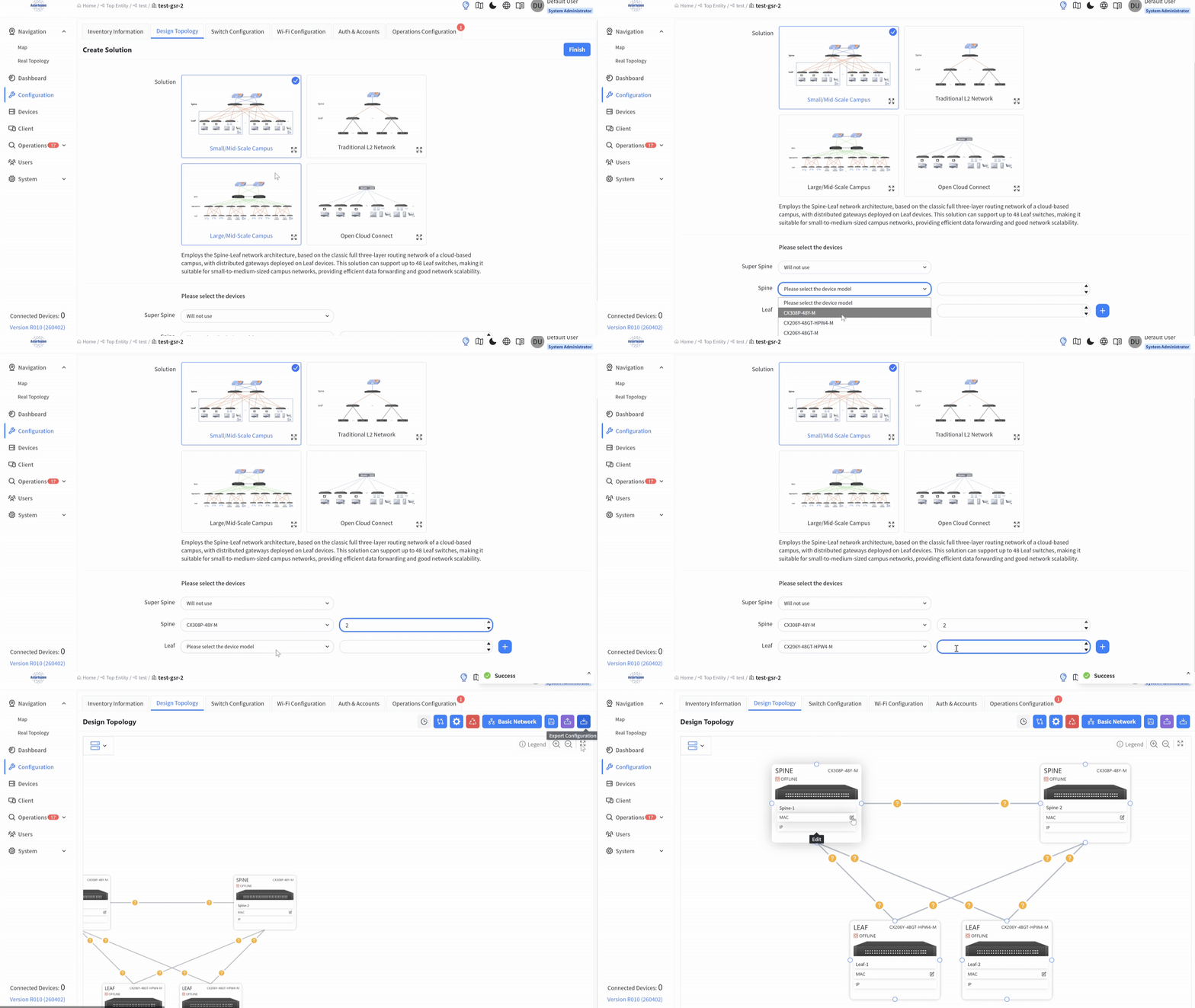
Pre-design Topology
-
Basic Network Configuration
Multi-Dimensional Monitoring
-
Entire Network Perspective
-
Granular Node Diagnostics
-
Timeline Events for AP & Client
-
PON Network Integration
One-Click Updates
-
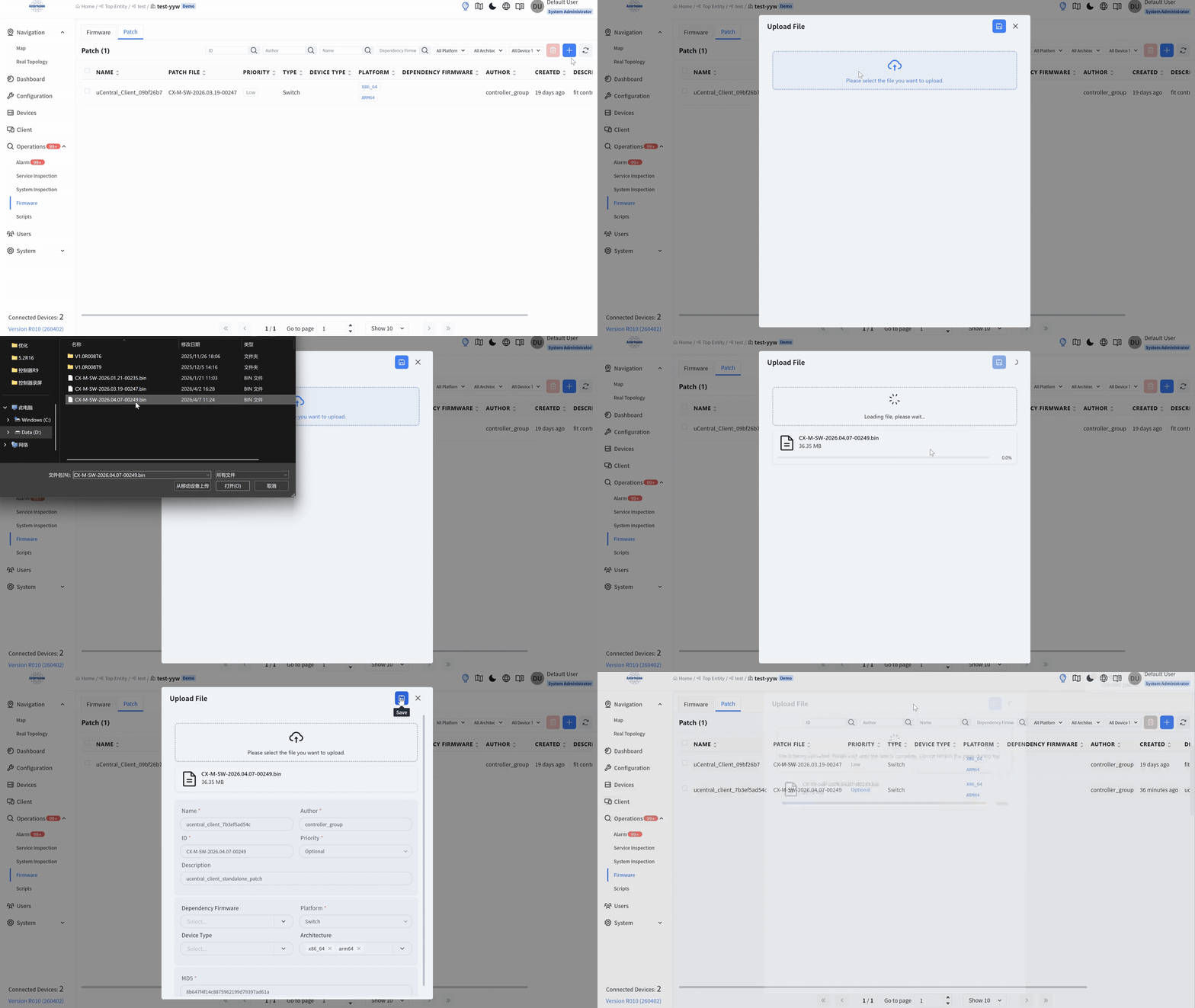
Firmware-Based Upgrade
-
Custom Script Upgrade
Built-in AAA/DHCP
-
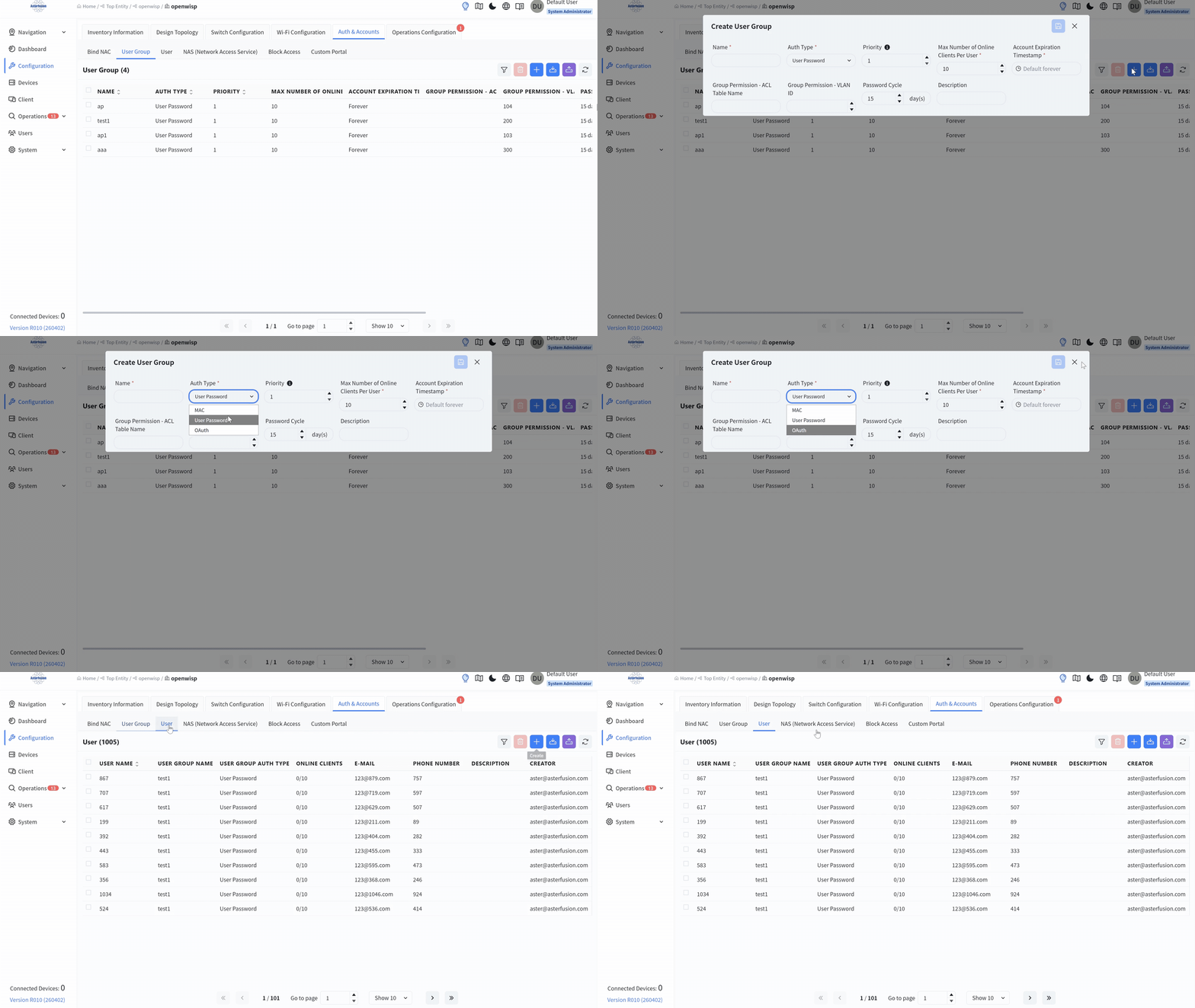
Diverse Authentication
-
Multi-tenant Management
-
High-performance DHCP
Alarm System
-
Comprehensive Alarm Sources
-
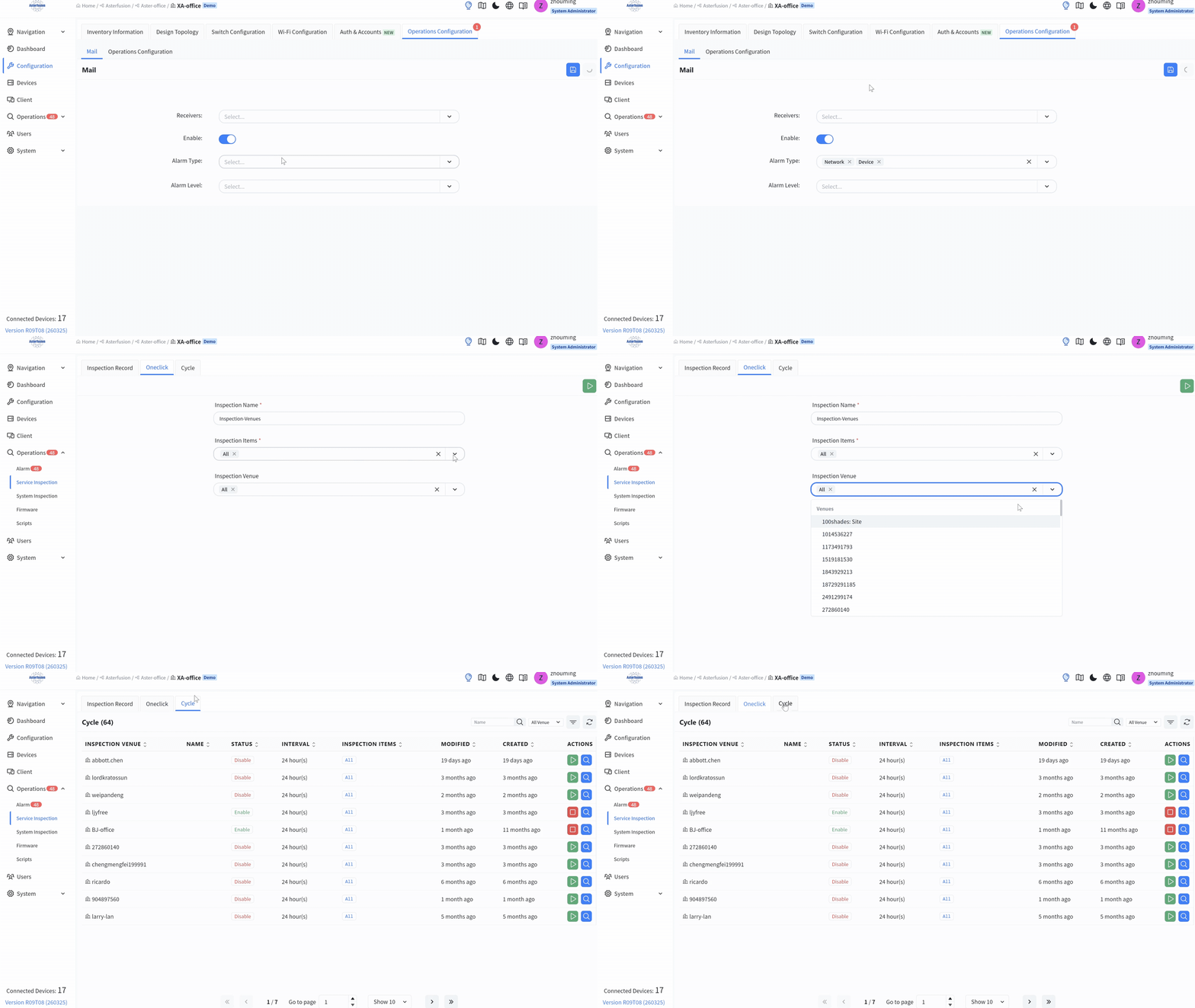
Flexible Alarm Notification
-
One-Click Inspection
Campus Controller Supported Features
|
Support & Troubleshooting
Troubleshoot your AP and network issues using our Campus Network Controller guide.
Specialized in SONiC & OpenWiFi
Need Expert Assistance?
Support Portal
Frequently Asked Questions
To ensure stable operation, the deployment environment should meet the following conditions:
-
Operating System: Ubuntu 18.04 LTS or higher.
-
Containerization Engine: Docker 20 or higher (must support docker-compose).
-
Hardware Architecture: x86 architecture servers are recommended; ARM architecture servers are also supported.
It is built based on the TIP (Telecom Infra Project) OpenWiFi community standards and the uCentral communication protocol framework.
The controller implements Scenario-based Deployment:
-
It features built-in templates for typical scenarios, such as small-to-medium campuses and large Layer 3 campuses.
-
Administrators can pre-plan the topology and configure business intents.
-
Once devices go online via ZTP (Zero Touch Provisioning), the system automatically compares the real-world topology with the preset plan and allows for one-click configuration delivery through a graphical interface.
The controller supports three primary deployment forms:
-
Cloud Deployment : Compatible with mainstream public clouds like AWS, Alibaba Cloud, and Tencent Cloud; ideal for unified management of multiple branches.
-
On-premises Deployment: Can be installed directly on standard Linux servers.
-
Edge/Containerized Deployment: Supports running as a container directly on CX-M series campus switches, simplifying hardware integration.
It utilizes an “Organization – Venue” multi-level management model:
-
Administrators can create different venues based on geographical locations (e.g., floors, branch stores) and bind devices to specific sites.
-
In cloud deployments, businesses across different organizations are isolated and invisible to each other. It supports concurrent management by multiple administrators, reducing maintenance difficulty for large-scale distributed branches.
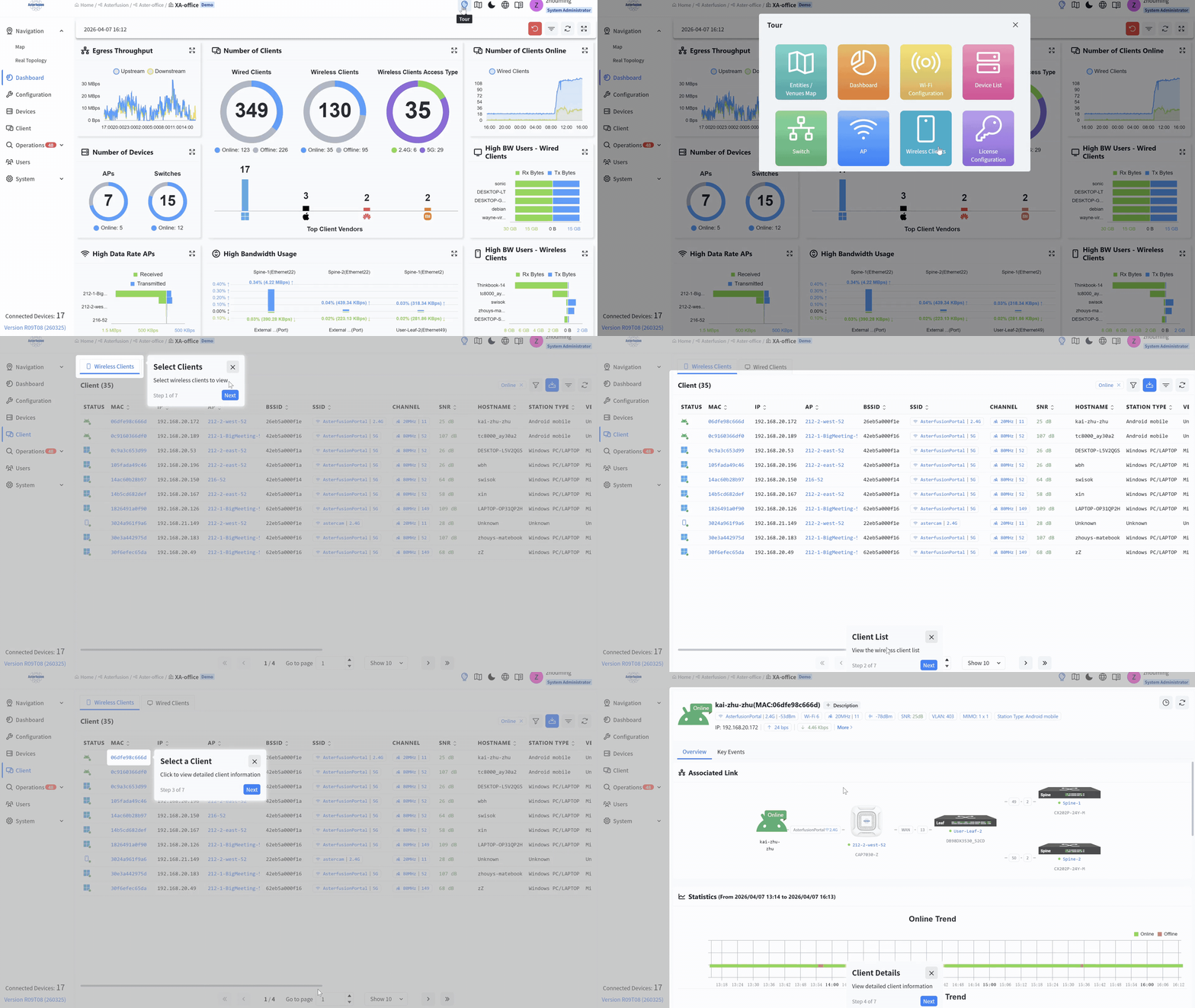
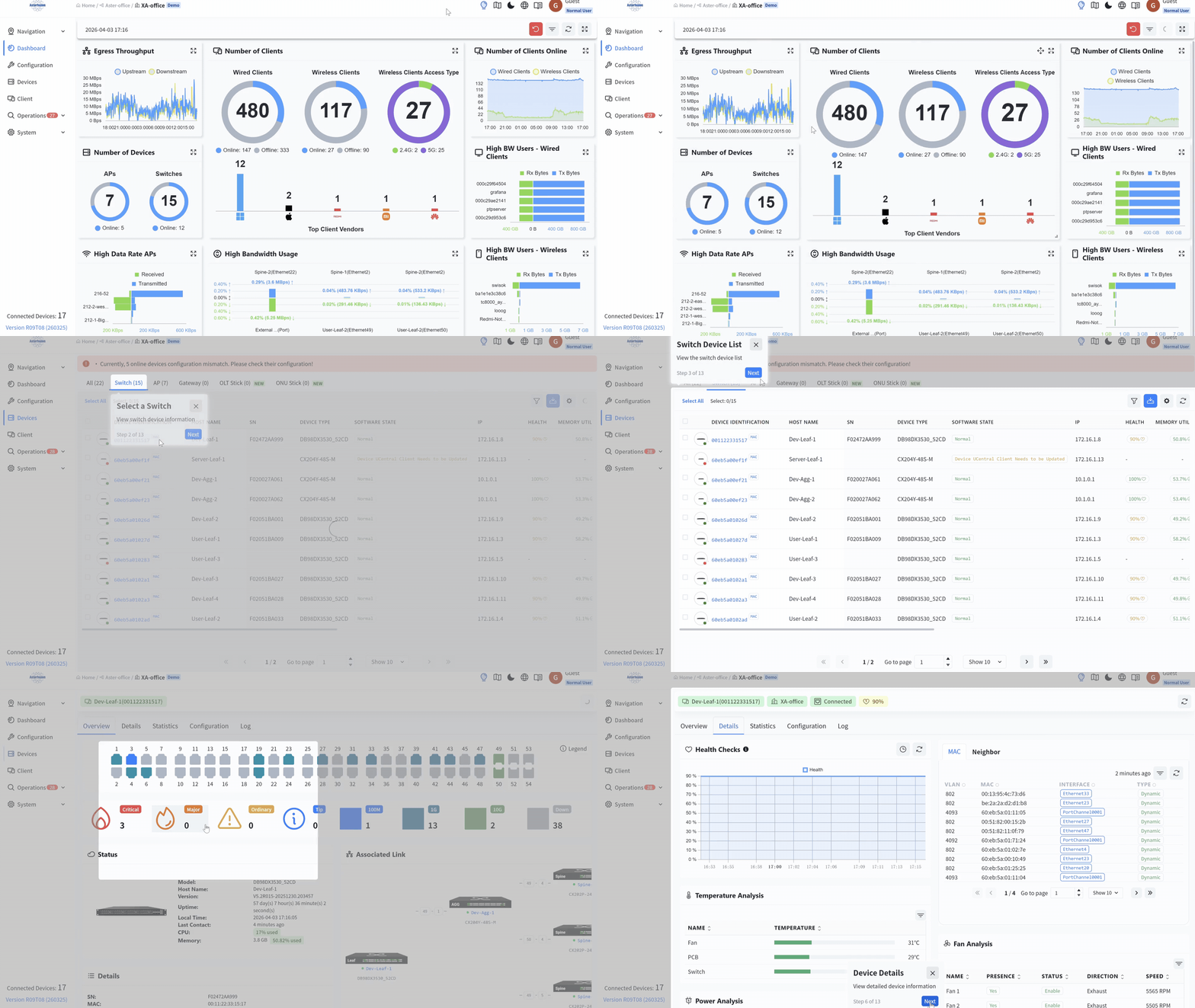
The controller provides deep visual monitoring across three dimensions via the Dashboard:
-
Network Dimension: An at-a-glance overview of the status of all devices across the entire network.
-
Device Dimension: Real-time monitoring of power status, CPU/memory utilization, optical module power, and temperature; it also calculates a device health score and provides a timeline of key events for APs to help locate faults.
-
Terminal Dimension: Automatic identification of terminal vendors, types, and Wi-Fi band distribution, complemented by a key event timeline to visualize and pinpoint terminal failure points.
-
Supports the OAuth 2.0 standard, allowing integration with existing enterprise identity providers (IdPs) such as Feishu, Google, Microsoft, and GitHub.
-
Supports 802.1X, MAC authentication, and highly customizable Portal authentication.
Yes. The controller supports the integration of third-party Access Points. For third-party devices, management and seamless integration are achieved by installing the OpenWiFi Plus software.
By August 2026, this OpenWiFi controller will also support third‑party switches and routers by leveraging LibreNMS integration in the controller.
Related Blogs
Related Blogs